
Is Bootstrapping a Product Brand Still Viable in 2026?
Updated: 23 hours ago
FEATURE

When Necole Kane, founder of My Happy Flo, shared that she is reassessing the future of her business ahead of year five, she articulated a tension many independent product founders are quietly navigating.
“I’ve been sitting with something heavy,” she said. “I’ve been considering closing my business.”
Her reasoning was not rooted in lack of demand. It was rooted in structure.
“What does it really take to grow a product-based business in 2026?” Kane asked. “Is it possible to bootstrap and scale without equity backing and without doing it all through debt?”
The financial model she described is familiar across consumer goods. Early traction funded through credit lines, short-term capital, and reinvested revenue can appear workable in the first few years. By years three through five, the compounding cost of capital often begins to narrow flexibility.
“As you’re getting more and more revenue, most of your revenue is going to paying off the debts,” she explained. “There’s hardly anything left over in your cash flow to hire new team, to spend on marketing, or even inventory.”
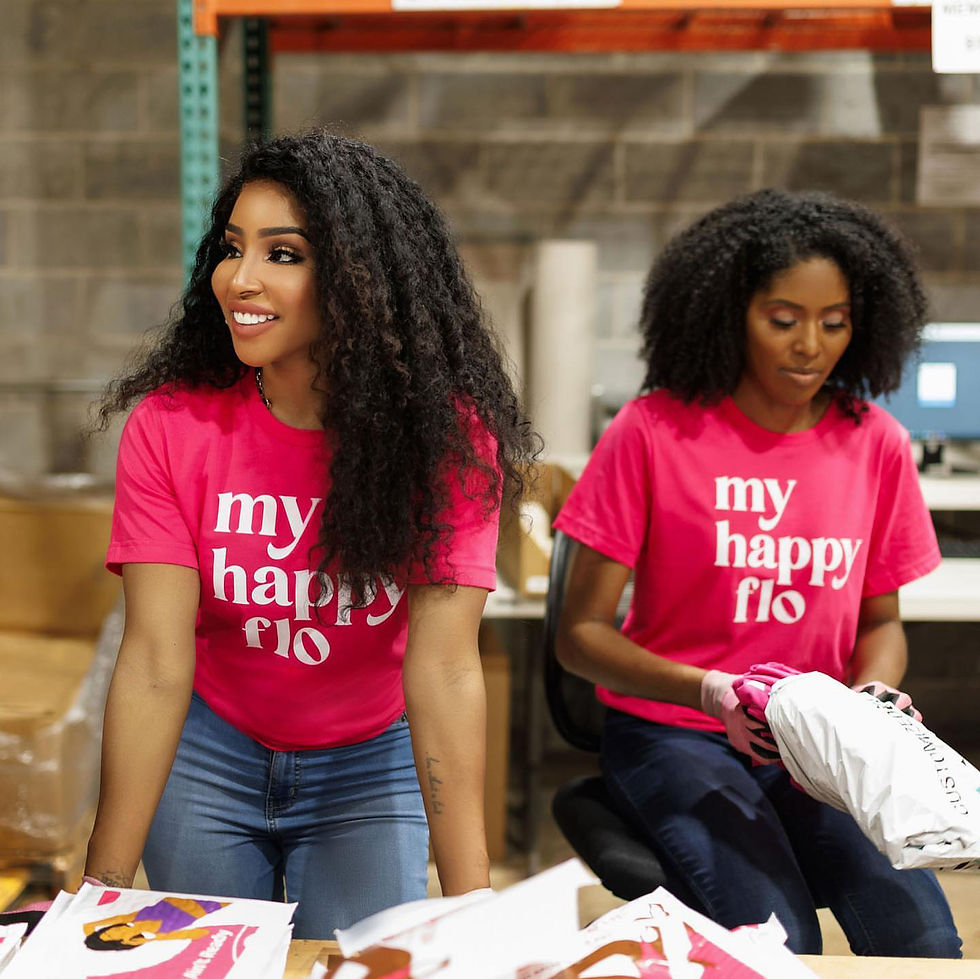
For brands built around physical inventory, capital is required long before revenue is realized. Inventory must be ordered and paid for upfront. Manufacturing timelines extend. Wholesale and retail payment terms frequently stretch 60 to 90 days. During that time, interest accrues and leverage compounds.
“You get into this hamster wheel,” Kane said. “Every time you have a new inventory buy, that has to come up. There’s more capital. You have to go out and get more loans, but your balance sheet is already full.”
High-interest credit facilities, sometimes exceeding 20 percent, combined with recurring inventory minimums, freight, packaging, and operational overhead, can compress margins even as revenue increases. Top-line growth does not always translate into liquidity.
Retail expansion, often seen as validation, adds another layer of exposure. My Happy Flo has reportedly been courted by multiple retailers. Yet Kane has paused.
“We cannot afford to continue to take on this type of debt and get more and more in the hole,” she said.
Retail distribution requires inventory financing ahead of shipment. Compliance costs, chargebacks, promotional expectations, and multi-state sales tax nexus obligations add operational strain. For bootstrapped brands, retail can function as both accelerant and risk multiplier.
Kane’s hesitation reflects something rarely discussed publicly: the long-term consequences of over-leverage.
“I don’t even want to continue if that’s the road I’m going to have to go down,” she shared. “If I have to close my business in the future and I’m millions in debt and responsible for it, now I have to file bankruptcy. I don’t want that for my life.”
What makes this moment particularly complex is that My Happy Flo is not a struggling concept without demand. Customer testimonials speak to meaningful relief — reduced cramping, improved cycle stability, better quality of life. The brand has traction. The challenge is financial architecture.

The broader operating environment reinforces the pressure. Grant funding has narrowed. Investor capital has become more selective. Customer acquisition costs remain elevated. Supply chain and compliance expenses continue to pressure margins. Independent founders are building in a materially different climate than they were five years ago.
Bootstrapping remains possible. Scaling without structural strain is more difficult.
Kane’s transparency reframes the growth narrative. The industry often highlights funding rounds and retail wins. Less visible are the balance sheet realities beneath them.
Her closing question lingers beyond one brand: “Is it possible?”
For many independent product founders in 2026, that question is no longer theoretical. It is strategic.
Get The Insider Edit
The cover stories, launches and founder news shaping Black beauty, in your inbox.


Comments